Royal Visit

Camilla, Duchess of Cornwall, made her first official solo visit to Paris and among her stops was Marché Raspail. She tasted charcuterie, bought berets and scarves, and was presented with a copy of Markets of Paris, 2nd ed. (Thank you, Pascal Bensidoun.) Camilla’s summary of her market outing: “You should see my basket, it’s overflowing! It’s been a wonderful experience. I really would like to come again.”

6C7614516-tdy-130528-camilla-france-01.blocks_desktop_medium

Image via Today.com


Riches of Versailles: An Eating & Walking Tour

Text & photos by Brian Pfeiffer.

Versailles is one of the wonders of the world and has been for nearly 350 years – and it’s not just the chateau and gardens which were planned to serve Europe’s most magnificent court during the seventeenth and eighteenth centuries; it’s the town and main food market as well. Food was and remains an integral element of the grand pageant. Louis XIV dined in public on opulent fare as privileged courtiers watched from upholstered stools and visitors shuffled by to get a closer look. Yes, even in the seventeenth century, the palace was open to the public from dawn to dusk. The king’s dinners were sumptuous, and the excess was sent on to the officers of the chateau. Since it was generally more than they could consume, the remainders were re-sauced and sold at the palace gates to residents of the city who took it back to their quarters and dined on royal fare.

For those who could not afford the royal leftovers, Louis XIV established the Marché Notre Dame on the north side of town. Vendors gathered in an open square to offer raw ingredients, as they do today.

Versailles Market Square

Market square in Versailles

Since 1841, the square has been framed by four buildings that contain permanent market stalls which are open year-round daily except Mondays.  On Tuesdays, Fridays, and Saturdays, additional vendors fill the square with fruits, vegetables, spices, meats and cheeses.

The serious visitor to Versailles should treat the day as an athletic event requiring comfortable shoes, good hydration, and a rucksack for food purchases. Here are my suggestions for a well-planned architectural-gastronomic route.

Versailles is approximately 10 miles west of Paris, a distance which is walkable for the truly determined traveler. Easier access is provided by frequent train service to and from Paris. Direct trains take only twelve or thirteen minutes from the Gare Montparnasse, while the local trains take twenty-five. Regular train service also leaves from the Gare Saint-Lazare and from the RER line which shares its stations with the Métro along the south bank of the Seine. Depart early to pack in the most. If you leave from the Gare Montparnasse, you will arrive into the Chantiers station in Versailles, which is where our walking tour begins.

Diagonally opposite the train station, Maison Hervet is an excellent first stop for an almond croissant or slice of almond cake.  Take stock of the other pastries and sweets – including glands (small praline confections that look like acorns and are offered in the fall), but resist temptation to buy until your return to the train at the end of the day. Pastry is rarely improved by being jostled in a rucksack all day.

A fifteen-minute walk down the Avenue de Paris brings you to the enormous, cobbled Place d’Armes, where dawn glitters on the chateau’s gilded roof crestings and railings.

Sunrise at Versailles

Versailles at dawn

Stroll briefly in the upper garden for awe-inspiring views of the Grand Canal’s one-mile length.

Versailles Grand Canal

Grand Canal in spring

Then head to the Marché Notre Dame on a reconnaissance mission for lunch and dinner options. On market days, a spice vendor establishes her extraordinary display at the entry to the Carré de la Marée where the vivid color of ground spices competes with the quieter earth tones of more than twelve varieties of pepper.

Versailles spice vendor

Spices in front of the Carré de la Marée


Versailles pepper

Pepper from all over the world

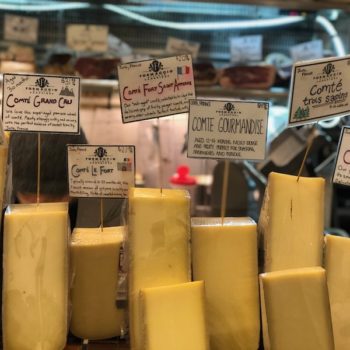
On the opposite side of the street there is an equally impressive display of cheeses at the entry to the Carré aux Herbes. Diving deeper into the network of stalls and paths, one comes to the Maison des Champignons where offerings vary with the season – mushrooms, truffles, and asparagus of many varieties and provenances – all carefully labeled for French shoppers who pay careful attention to such things.

Versailles mushrooms vendor

La Maison des Champignons

Whether or not you have access to a kitchen in Paris, a walk through the Carré à la Farine is worth a detour merely to gawk at the extraordinary variety of seafood.

Versailles fishmonger

Fish display at Carré à la Farine


For those without kitchen privileges, Iaconnelli in the Carré de la Viande with its prepared Italian specialties and Didier Pinault in the Carré aux Herbes with French food and paella make it easy to assemble a light lunch or sumptuous dinner.

Having mapped out your food plan, return to the chateau to arrive shortly after the first crush of visitors has been swallowed up by the state apartments. If you are visiting on a Sunday, the State Apartments including those of the King, Queen, Dauphin & Dauphine, and Mesdames (the somewhat troublesome daughters of Louis XV who remained unwed because there was no royalty sufficiently august for them to marry) form a route that is nearly a mile in length. A leisurely saunter and unfettered delight easily occupy two hours and bring you to the Galerie des Batailles, next to which Angelina’s offers an expensive but delicious lunch and pastries in the former apartment of a courtier. Two of the restaurant’s rooms retain the mid-eighteenth century paneling in the Rocaille style of Louis XV. Be sure to ask for seats in them to savor the full experience of Versailles.

For the energetic or more budget-conscious, I recommend a return to the Marché Notre-Dame where lunch can range from a simple and very tasty grilled Lyonnais herbed sausage or small bite-sized chorizo at the vendor in front of the Carré aux Herbes to a genteel sit-down lunch of Roquefort and cherry-tomato quiche and various chestnut desserts at Gaulupeau.

From March to October on Tuesday, Saturday and Sunday afternoons, it is worth returning to the gardens for Les Grandes Eaux Musicaux.

Les Grandes Eaux Musicaux

Neptune fountain

The extraordinary fountains are turned on and visitors can wander among them to the strains of baroque music. These are no ordinary fountains, but a vast series of sculptures and outdoor rooms for which water was diverted from distant rivers and piped many miles to storage tanks at Versailles. It was one of the artistic and technological marvels of its day.

From here one can return to the chateau for guided tours (limited to 20 people) through the Private Apartments of the King and Queen (see Tips below). Squeezed into the courtyards behind the formal State Apartments, these spaces are more intimate in scale and give a sense of the private life of the royal family when it was not on public display. Many of the rooms and passages are cramped and dark, but they contain some of the finest architectural finishes of their era. The Private Apartment of the King generally includes a tour of the Opera House built in 1770 for the marriage of the future Louis XVI and Marie Antoinette.

finest architectural finishes

King’s Private Apartment at Versailles

Having completed a full day’s tour, return once again to the Marché Notre-Dame but now with a firm plan of action for acquiring dinner. Maison Guinon, a boulangerie, patisserie and confiserie sells exceptional pastries, quiches and breads as it has since 1802 from its ornately painted 19th century shop.

Versailles Maison Guinon

Maison Guinon


Other tempting choices abound in the market halls.

Food in rucksack, feet tired, and spirits lifted, it’s time to return to the Chantiers Train Station. One last stop at Hervet yields a snack on the train (I recommend the sablés) – and then back to Paris for a good dinner and an early night.

Additional Tips & Resources

Purchasing train tickets – If you don’t have a credit or debit card that has a gold chip on the front, be aware that you cannot purchase tickets through the ticket machines and will need to go to a ticket window instead.  Allow extra time. You may need to stand in line for ten minutes or more depending upon the time of day, but don’t fret – if you miss one train, another will be along shortly.  Before leaving the USA, check with your credit card company, as some now offer cards with gold chips – it will save you a great deal of time in France and Europe.

Chateau Tours – Tickets for tours of these spaces should be purchased on arrival at the chateau, as they frequently sell out by 10:30 or 11:00 am. The schedule can be maddeningly unpredictable, although the Private Apartment of the King is frequently offered.  The Private Apartment of the Queen is less frequently offered.  If you have the  chance to take the tour – be sure to do so; you will see some of the most beautiful craftsmanship of the era as well as cramped passages through which the royalty moved in their visits to each other.  The tickets are purchased at the office of the Visites Conférences which is the first building to the right after entering the gates of the chateau’s courtyard through the first doorway – all of which is poorly marked. For more information, check the website for Château de Versailles.

Petit Futé – Versailles 2013,  published by le Parisien, contains many useful addresses and bits of information.

Market’s Open Hours – Be aware of the tricky question of opening hours in France.  When open-air markets indicate that they close at 1:30 pm, they usually mean that everyone will have packed up by 1:30 pm as the clean-up workers arrive punctually to begin their work.  Similarly, the permanent shops in the market halls close with astounding speed.  If you hesitate at 5:28, you may not have a second chance at 5:31.

Versailles Addresses:

Maison Hervet – 49, rue des Etats Généraux

Iaconelli – 5 Carré à la Viande, Halles du Marché Notre Dame

Didier Pinault Traiteur – Carré aux Herbes, Halles du Marché Notre Dame

Gaulupeau - 44, rue de la Paroisse

Maison Guignon – 60, rue de la Paroisse

Brian Pfeiffer is an architectural historian who nominally lives in Cambridge, Massachusetts where he plots his frequent escapes to Paris and Versailles in an ongoing quest for Baroque and Rococo architecture as well as pastry to fortify his wanderings.

Brocantes in Paris

Spring’s triumphant arrival in Paris is evident not just by tulips blooming in the Tuileries but also by the brocantes popping up all over the city. Brocantes are similar to flea markets except that they are temporary. The secondhand dealers are like a band of gypsies. They rove the brocante circuit from one Paris arrondissement to another, week after week. They stuff their cars or vans full of goods, which they might have procured from flea markets, auctions or estate sales, or a hoarder’s attic.

brocante dealers

Brocante dealers

Usually starting on Saturday mornings, they pull in early to pick as prime a spot as they can get along the sidewalk, ideally shaded by plane trees. They haul out boxes and display their goods on rickety folding tables or thick blankets spread on the ground. Then they settle in for a long sit, often with a bottle of wine within easy reach.

The sudden appearance of neighborhood brocantes seems random, almost magical, and that’s part of their charm. But in fact the city controls the scheduling of these well in advance. The most visible tip-off is a bright yellow banner that hangs high over the streets, announcing the upcoming brocante. These banners appear about a week or ten days before it arrives. But for those who like to plan ahead, the city provides a listing on their website.

For those who enjoy la chasse au trésor, the thrill is in discovering the unexpected.

brocante

Ile Sorgue

vintage ashtrays

And the first thrilling discovery might be stumbling upon the brocante itself. When I last visited Montmartre, for example, it was with the intention of checking out the latest items at the fabulous fabric market Marché Saint-Pierre. I climbed the stairs from the Métro and exited into a hustle and bustle. Sidewalks were thicker than usual with people strolling. The normal pedestrian traffic patterns were interrupted by mannequins and other wares jutting out onto the sidewalks. Usually visitors to this neighborhood are looking upward at the gleaming dome of Montmartre’s famous church Sacré Coeur. But this day their gazes were trained lower, alighting on the rusted and worn, the secular treasures at eye level.

brocante silverware

silverware in original boxes

brocante bric-a-brac

bric-a-brac


typewriter brocante

ink ribbons sold separately


Treasures or trash? Well that’s a matter of individual opinion and fancy – and memory. I sighted several items that reminded me of childhood. An Utz potato chip tin. An Amish-style blanket with interlocking hexagons in peach and blue pastels. Where did these items come from? Sometimes sellers are willing to disclose, but just as often that’s their trade secret and not to be disclosed easily or honestly. In my opinion, it doesn’t matter. Knowing that the current provenance is a sidewalk in Paris is usually good enough for me.

Some brocante dealers specialize in certain types of items–artwork, furniture, enamelware, silver serving pieces and cutlery, vintage jewelry or clothing, for example. And this, in part, is what distinguishes them from the vide-greniers (attic-emptiers) which are like yard sales where individuals come to unload a motley assortment of items they no longer use or want. The lines are frequently blurred though, and at brocantes you can expect to see a wide range of quality, condition, and expense.

There are some high-end brocantes, such as the Salon Antiquités Brocantes which takes place at place de la Bastille every May and November.

Salon de Antiquities

high-end antiques

This year’s Salon Antiquités Brocante runs from May 8-20, 2013. About 500 dealers from all over France bring their goods. Several appraisers are on site as well to advise on authenticity.

The Salon de la Bibliophilie, another specialized brocante, focuses on old and sometimes rare books, documents, and so forth. It will sprout up in place Saint-Sulpice starting the third week of May.

Salon de Bibliophiles

books in good condition

For three days beginning the end of May, the 3rd arrondissement will host a brocante in the square de Bretagne along rue de Bretagne. In mid-June a regular brocante will occupy the same area by Saint-Sulpice in the 6th arrondissement that only a couple weeks prior was filled with books. These are only a few of the many brocantes that will be happening across Paris this springtime. Check below for links to more listings.

Some tips and words of caution: Don’t take photos without asking permission. Or else you risk being scolded– sometimes vigorously–for an extra dose of public humiliation. Bartering is okay, but always handle the discussion respectfully and don’t start off too low if you want to be taken seriously. Walking away with indifference can sometimes help re-engage the seller to come back with a counteroffer. I might ask for a 30% reduction in price, and typically get about 10-25%.

Especially at the smaller neighborhood “pop-up” brocantes, I find that many of the sellers are equally as fascinating to view as their displays. Roughly an equal number of men as women, their faces are often etched with the lines of hard-scrabble living. Some don’t seem all that interested in making a sale. At the Montmartre brocante, I arrived around lunchtime (a 2-hour window, mind you) and many of the dealers had shifted their positions to join friends. I watched as one woman unfurled a tablecloth, laid it upon a mahogany end table she had brought to sell, and pulled out a sumptuous lunch for herself and a vendor friend to share. Like so much else in Paris–and certainly at the markets of Paris–the brocantes are not just about completing quick transactions but instead savoring the experience: Being outdoors, enjoying friendship, trading gossip, sharing food, and taking a swig of wine. If an item happens so sell, so much the better.

DSCN3807

For more information about brocantes:

http://www.paris.fr/pratique/adresses-utiles/marches-bouquinistes-et-kiosques/programme-des-brocantes-et-vide-greniers/rub_8393_stand_74842_port_19551

http://www.info-brocantes.com/

http://vide-greniers.org/agendaDepartement.php?departement=75

Or pick up a copy of the magazine Antiquités Brocantes (easy to find in Paris) for a listing of the month’s brocantes.

Related Links:

Best Flea Markets in Paris

Fête du Jambon

Tip #4: Timing Matters

Tips #2 & 3

Tip #1


Why shop at farmer’s markets?

Someone recently asked why I bother to shop at farmer’s markets. The question took me by surprise. The answer seemed obvious, and yet I burbled on incoherently. Afterwards I sat down to give it more thought. Here are the top 10 reasons why I shop at farmer’s markets. Which, if any, are important to you? Maybe you have others to add?

farmer market

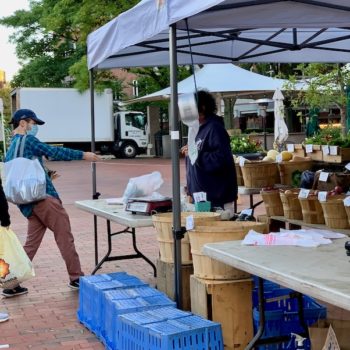
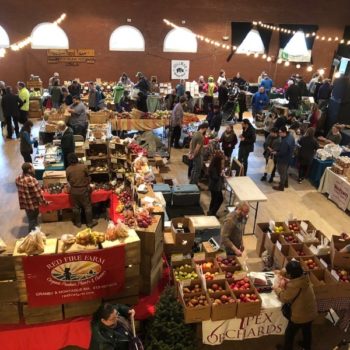
Freshness. Farmer markets sell recently harvested produce–usually less than 24 hours since harvesting. Farmer market produce is much fresher than store-bought, which has gone several days, if not weeks, since harvest.

Locally grown. Items at farmer markets have not “travelled” far. The carbon footprint to transport from nearby farms is teeny compared to what’s consumed over hundreds and thousands of miles by sea, air, or long-distance trucking. Also, local produce is stacked in wooden crates, which avoids the environmentally polluting packaging that protects produce from bruising or extends its time before perishing in long-distance transport. (Think of those sturdy plastic tubs of lettuce and the resulting pollutants & landfill space.)

less packaging

Nutritional value. Nutritional value sharply declines as time passes. Foods that have been sitting on grocery shelves, or in warehouses, or traveled long distances, suffer nutritionally. The goal is to eat food as soon as possible after it’s been harvested. Nutritional content is greater with fresh and local foods since they’ve been harvested recently and haven’t taken as long to arrive on one’s plate.

strawberries

Better taste. Sample a strawberry that was recently picked. Not only does nutrition improve when eating local, seasonal produce, but flavor also skyrockets. Items are picked at their peak, not artificially “forced” or “restrained” from reaching ripeness.

Cleaner and safer. Farmer market produce is grown organically or with far less use of chemicals. Produce sold in regular stores is full of toxic pesticides, fungicides, and other chemical fertilizers and sprays. Similarly, breads & baked goods aren’t pumped full of unhealthy preservatives that extend shelf life.

Custom sizing. Pick one or two carrots if that’s all you need. You won’t be forced to buy an entire bag. Same with other items. Buy portions that match your needs, which means less waste and less over-eating.

bio sign

Control what you’re getting. Inspect items for freshness. You won’t be forced to buy items that are pre-packaged and hard to tell their quality. In stores, foods & herbs are often sold in sealed containers. How often do you get home and open them only to find they’re over-ripe, wilted, or slimy?

Keep our communities healthy. The more we support local farmers who grow food in healthy ways, the more they–and their beautiful farmland–will flourish. Buying at local markets puts money directly into the pockets of local farmers and craftspeople rather than industrial conglomerates.

walking market Bastille

Free exercise. We can often walk or bike to the markets, getting free exercise. Besides, simply walking in the open air is good for Vitamin D.

Fun and educational for the whole family. Engaging with farmers & local artisans can be full of discovery and excitement. Bring the kids. Ask for tips/recipes on how to prepare food in healthy, tasty ways. Bump into neighbors and friends. Enjoy a sense of shared belonging and caring. Shopping in grocery stores can be an isolating experience and a chore. By contrast, shopping at farmer markets reinforces social bonds and can be a fun activity for the whole family.

(A version of this appeared in an article I wrote for Foxnews.com.)

Related Posts:

Let’s Get Fresh


Lockdown

We are still under lockdown in Cambridge, Massachusetts, as I write. It has been a surreal week. First the horrific bombings at the Boston Marathon, and now a massive manhunt that has everyone hunkered down indoors. Police sirens disturbed last night’s sleep. But it wasn’t until we woke that the news of disturbing developments fully penetrated. Looking out my window now, I see a major thoroughfare that typically teems with rush-hour traffic, preoccupied students, and jaunty dog walkers. But I haven’t spotted a single pedestrian or car all day other than occasional police cruisers.

My family and friends are inside our separate homes, but we’re connecting by phone and online to express our dismay. Everyone sounds dazed. It’s mid-afternoon but the skies have darkened with clouds. A gloom has blown in and coats the neighborhood. Sapling branches shiver in the wind. Their young leaves curl into tight green fists.

I don’t want to watch another replay of the crackling pops that lit up nearby Watertown like an early display of July 4 fireworks. The television keeps showing the local diner, hardware store, and other shops only a half-mile away that I frequent. How strange that these familiar and typically unremarkable sights are now cordoned off behind yellow police tape and their images being beamed across the world where everyone is gazing at them agape.

I turned off the news for a couple hours. The trill is unnerving. Instead I’m writing about food and flea markets because it’s comforting to imagine walking outdoors among stalls, admiring the goods, and not giving a second thought to safety.

My heart goes out to the people of my city whose lives have been cut short, whose limbs have been lost, and whose nerves are on edge. My profound thanks goes out to all the people who are working hard to protect us and, quite literally, heal the wounds. Envisioning the colorful markets helps me. Imagine whatever you will. But together let’s keep our joy and compassion bright.

DSCN1901_joie de vivre